

Parque Cespedes
Sep 29, 2025
Cuba
A brief history of Parque Cespedes Parque Cespedes, or Parque Carlos Manuel de Céspedes to give it…
Cuba /Apr 10, 2026
No visit to Santiago de Cuba is complete without a visit to the iconic Ayuntamiento (City Hall), located in the very heart of the city.

Built on the site of Hernan Cortes original mayoral office, the Ayuntamiento was rebuilt in the early 1950s using a design from 1783. In its time, it served as the administrative center from which local governance, trade regulation, and public order were managed.
Its arcaded façade, wooden balconies and thick masonry walls are meant to reflect the practical elegance of Spanish colonial architecture in the Caribbean, designed to temper heat while projecting authority and stability.
Overlooking Parque Cespedes, the balcony of the Ayuntamiento is famous across Cuba and beyond. For it was here, on 1st January 1959, that Fidel Castro formally announced the triumph of the Cuban Revolution to cheering crowds below.

For supporters of the Revolution, that single moment transformed the Ayuntamiento, new as it still was, from being a reminder of a colonial-era government into a powerful symbol of modern Cuban identity and a national symbol. Today many visitors come specifically to see the spot where modern Cuba history was declared.
If possible, we suggest that you plan your visit for the morning or late afternoon when the light softens the pastel façades around the park.
Facing the Ayuntamiento across Parque Cespedes is the equally impressive Catedral de Nuestra Señora de la Asunción, while the square is also home to both the city’s most atmospheric hotel, the Casa Granda and, next door, the Casa de la Trova.
For those with an interest in the Cuban Revolution, a visit to the nearby Moncada Barracks is another must.

This fully flexible, 14 night private tour takes in the length of the island and includes visits to many of the key destinations associated with the Cuba Revolution.

Starting and finishing in Holguin in eastern Cuba, this suggested, week-long private tour takes in the key highlights of eastern Cuba, combining both city and countryside with the option, at the end, of extending your holiday at one of Cuba’s beautiful beaches.

Enjoy a private Cuba tour with your own driver / guide. This 10 night itinerary takes in the highlights of western Cuba but is only a small taste of what we can offer.

A brief history of Parque Cespedes Parque Cespedes, or Parque Carlos Manuel de Céspedes to give it…
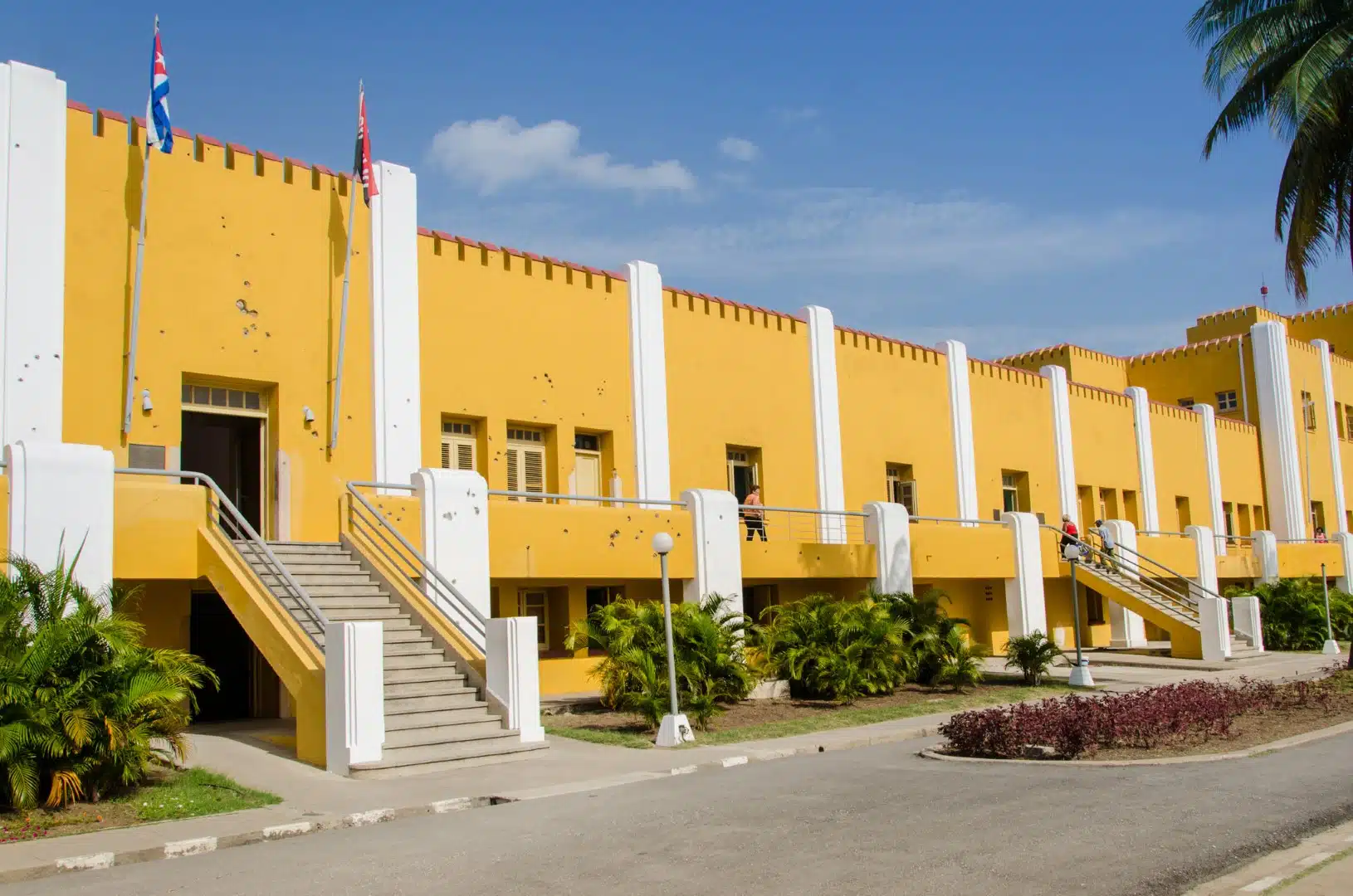
The Moncada Barracks are located in the eastern city of Santiago de Cuba and, for many people, are where the Cuban Revolution began.

Although often referred to as the Morro Castle, the correct name of Santiago de Cuba's iconic castle is San Pedro de la Roca.
When making your travel arrangements, we understand just how important peace-of-mind is. Beyond The Ordinary hold both ATOL & ABTOT bonds so whether you book your flights through us, or independently, any money you pay us is 100% protected. More detailed information on Financial Protection can be found by clicking here.


Whichever of our featured countries you wish to visit, we've been there several times. So, if you're after something beyond the ordinary to Cuba, Nicaragua, Guatemala or the Yucatan Peninsula of Mexico, we'd love to hear from you.