Where & When To See Flamingos in the Yucatan Peninsula
Rio Lagartos, north coast, March through August
El Cuyo, north coast, March through August
Celestun, west coast, November through March
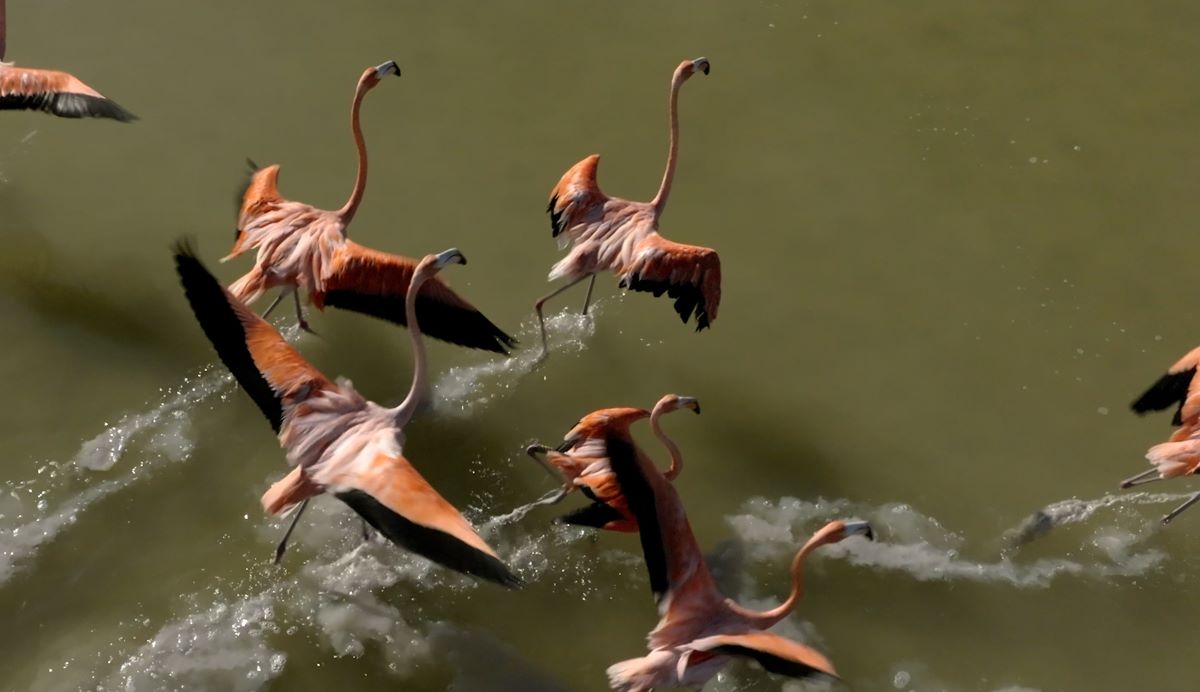
For many visitors to Mexico’s Yucatan Peninsula, one of the undoubted highlights is the opportunity to see large numbers of flamingos in their natural habitat.
Rio Lagartos
Located on the northern coast of the peninsula, Rio Lagartos is one of the most important flamingo habitats in the region. This substantial, protected wetland is home to a wide variety of birdlife (as well as crocodiles) including flamingos.
When to visit
The breeding and nesting season runs roughly from March through July with May & June typically being the peak season for nesting. Outside of these months there will still be flamingos in the area, just not as many. After breeding, many flamingos head west toward Celestún (see below) or other feeding areas along the coast.
How to visit
Rio Lagartos is approximately 90 minutes’ drive north of the attractive town of Valladolid. Many of our clients on private tours or self-drive holidays base themselves in Valladolid and visit Rio Lagartos on day trips. The earlier one can get out on the water, the better, so it may also be worth considering staying in Rio Lagartos itself. Our favourite hotel, with panoramic views over the water, is Yuum Ha.
El Cuyo
A relatively short distance east of Rio Lagartos is the tiny, increasingly popular beach settlement of El Cuyo. Joined to the mainland by a causeway that crosses over the lagoon, you will often see flocks of flamingos feeding in the shallow waters. As the road is very quiet, it is easy enough to stop by the side of the road and enjoy this natural spectacle right in front of you.
When to visit
With its proximity to Rio Lagartos, El Cuyo shares the best time to see flamingos.
How to visit
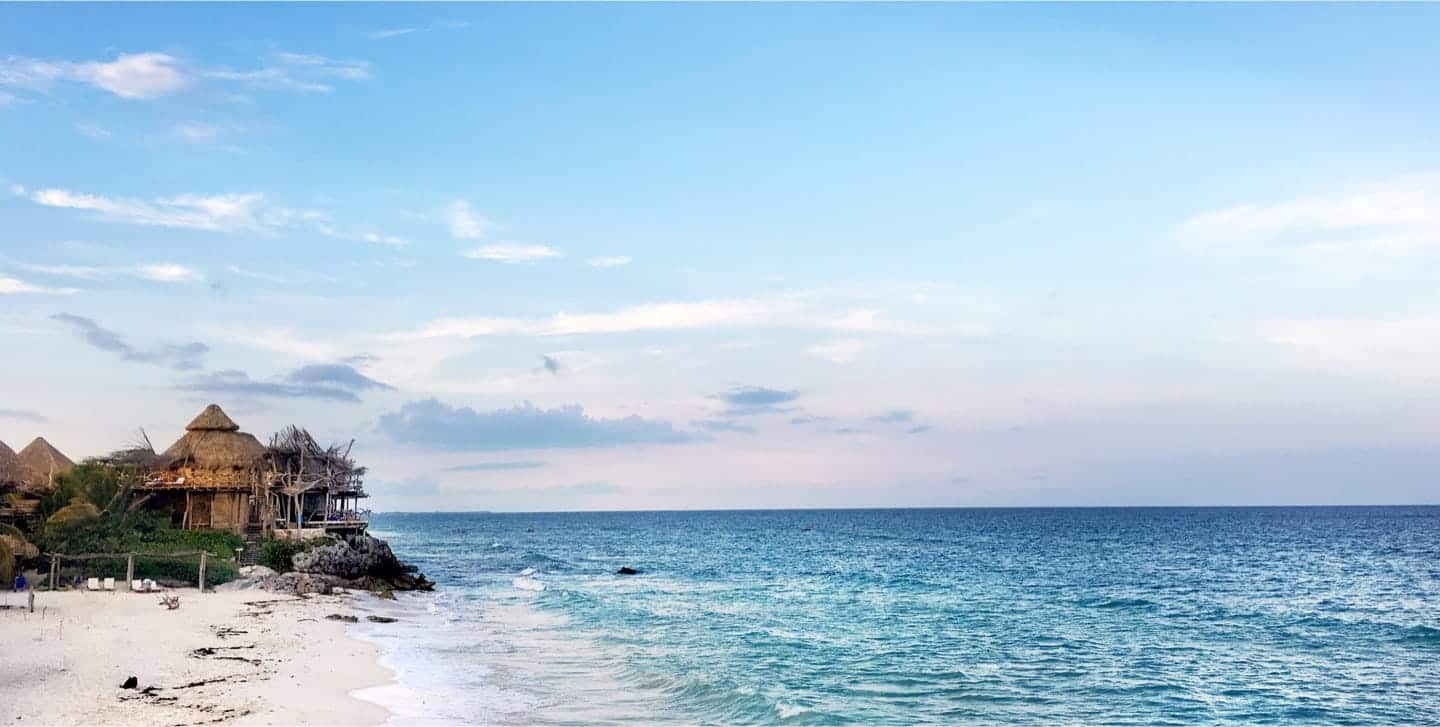
El Cuyo is more remote and harder to get to than Rio Lagartos so, if you’re planning on a day trip to see flamingos, stick with Rio Lagartos. If you’re after a chill beach hideaway, El Cuyo is the ideal option with the flamingos simply being an added bonus.
Celestun
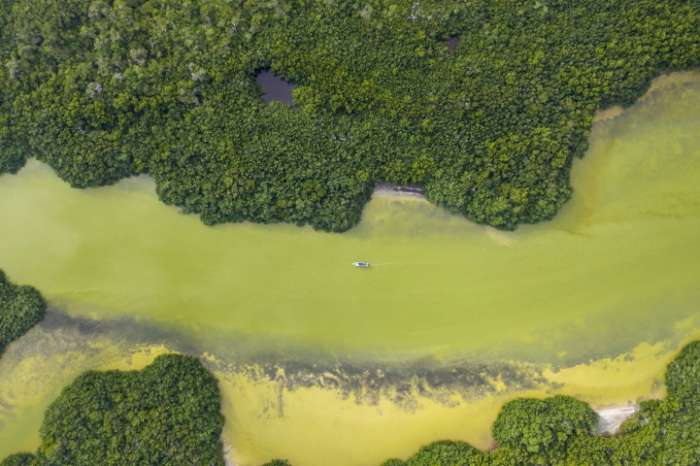
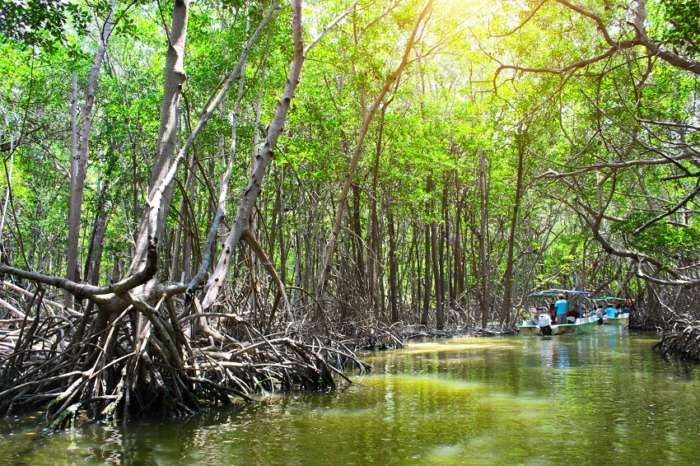
Located on the Yucatan Peninsula’s Gulf Coast, Celestun is a UNESCO World Heritage wetland that is again home to a wide variety of birdlife, including significant populations of flamingos.
When to visit
From November through March, thousands of flamingos migrate to Celestún to feed and rest. The shallow lagoons and mangrove estuaries of Celestun are rich in brine shrimp and algae, the main source of food for flamingos and what gives them their pink colour.
From April, as temperatures rise, many flamingos head to Rio Lagartos on the north coast although you will still be able to see some flamingos at Celestun. During the wetter, summer months, as water levels in the lagoon rise, the number of flamingos will dwindle to their lowest number.
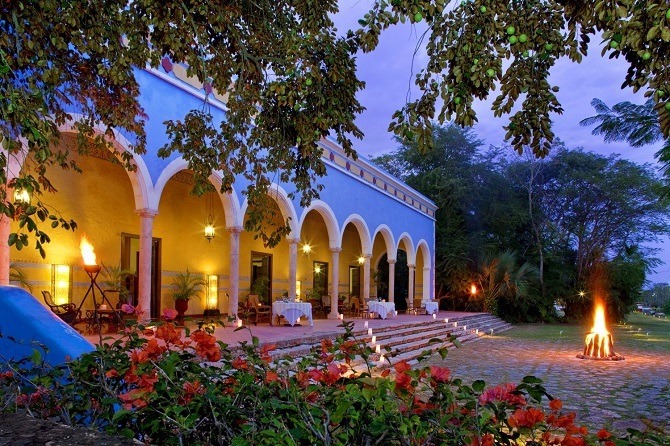
While there is accommodation in the small village of Celestun, it is not great quality. Another alternative is to base oneself in the countryside south of Merida, home to a number of Maya sites and atmospheric haciendas.
As with most birdwatching, if possible, it is best to visit in the early morning or in the build up to dusk.
When making your travel arrangements, we understand just how important peace-of-mind is. Beyond The Ordinary hold both ATOL & ABTOT bonds so whether you book your flights through us, or independently, any money you pay us is 100% protected. More detailed information on Financial Protection can be found by clicking here.
Whichever of our featured countries you wish to visit, we've been there several times. So, if you're after something beyond the ordinary to Cuba, Nicaragua, Guatemala or the Yucatan Peninsula of Mexico, we'd love to hear from you.